
How Much Do Solar Panels Cost? 2026 Prices by System Size
How much do solar panels cost in 2026? Real installed prices per watt from Berkeley Lab, costs by system size, battery add-ons, and why no federal credit now.
How to choose a solar installer in 2026: check licenses and NABCEP certification, compare quotes per watt, read warranties and spot pressure tactics.
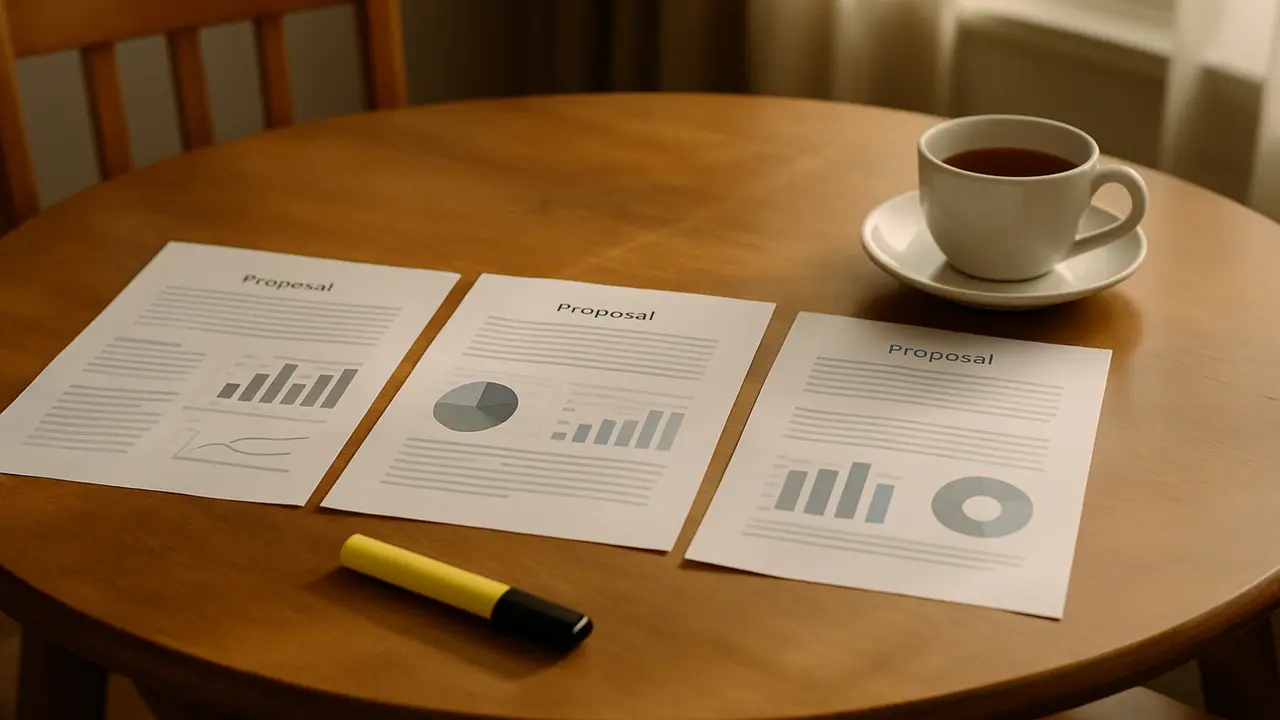
How to choose a solar installer comes down to five checks: a valid license, certified and insured crews, a fair price per watt, clear warranties in writing, and no pressure to sign. Get at least three written quotes, compare them on the same terms, and pick the company whose design, contract and service record hold up best.
Price matters, but it isn't the whole decision. Your installer drills into your roof, wires a system to your electrical panel and is the first call when something goes wrong over the next 25 years or more. This guide walks through what to check, how to compare quotes fairly and which warning signs mean you should walk away.
Start with the basics: the state license required for solar or electrical work, proof of insurance, certified professionals on the job, and a track record of installations near you. Then check who actually does the work, because some sales companies hand jobs to subcontractors you never meet.
Run through these checks with every company:
Get at least three written quotes. The FTC recommends collecting several bids. Compare them on price per watt for similar system sizes, the equipment named, the production estimate and the warranties. Monthly payment is the least useful comparison, because a long loan or hidden fee can make an expensive system look cheap.
Price per watt is the system price divided by its size in watts. It lets you compare a 7.6 kW quote with an 8.0 kW quote. Cost per kWh over the system's life goes one step further, because it accounts for how much power each system will make. Our solar cost per watt calculator does both.
Here are three example quotes for the same home, at 1,350 kWh per kW per year and 0.5% yearly panel loss over 25 years:
| Quote | Price | Size | Price per watt | Lifetime cost per kWh |
|---|---|---|---|---|
| A | $23,100 | 7.7 kW | $3.00 | 9.4¢ |
| B | $25,500 | 7.6 kW | $3.36 | 10.6¢ |
| C | $29,600 | 8.0 kW | $3.70 | 11.6¢ |
Quote C is the largest system, but each kWh costs about 23% more than Quote A's. It could still win if it includes better equipment, a longer workmanship warranty or a needed electrical panel upgrade. Ask each installer to explain what is in the price so you compare like with like.
| Quote | Cost per kWh over 25 years |
|---|---|
| A: 7.7 kW, $3.00/W | 9.4¢ |
| B: 7.6 kW, $3.36/W | 10.6¢ |
| C: 8.0 kW, $3.70/W | 11.6¢ |
Source: Worked example: 1,350 kWh per kW per year, 0.5% yearly panel loss, 25 years (as of 2026-10)
Berkeley Lab's 2026 data update (opens in a new tab) reports a 2025 median of $3.60 per watt for homeowner-owned residential systems, $3.00 for cash purchases and $4.50 for loan-financed systems. About 60% of the 100 largest installers had medians under $4 per watt. Systems with a battery had a median of $4.90 per watt. Our guide to how much solar panels cost breaks those prices down further.
| Median $/W | |
|---|---|
| Cash purchase | $3.00 |
| All homeowner-owned | $3.60 |
| Loan-financed | $4.50 |
| Solar + battery | $4.90 |
Source: Lawrence Berkeley National Laboratory, U.S. Distributed Solar and Storage 2026 Data Update (as of 2026-10)
A complete quote names the panel and inverter makes and models, the system size, the estimated first-year production and how it was calculated, the cash price, any financing terms, every warranty, and who handles permits and utility approval. If any of these is missing, ask for it in writing.
Pay special attention to the production estimate. A good installer can tell you what model it used, such as NREL's PVWatts (opens in a new tab), now run by the National Laboratory of the Rockies, and what shading and orientation assumptions went in. If a quote's estimate is far higher than the others for the same roof, ask why.
The Treasury Department's consumer advisory (opens in a new tab) suggests asking how many kWh per month the system will produce compared with your use, how to avoid buying more panels than you need, and what the cost per watt is. Get all documents in a form you can keep.
The site visit is where a good installer shows its work. Expect someone to inspect your roof, measure shade, check your electrical panel and ask about future plans such as an EV or a heat pump. Use the visit to ask how they will design, attach and wire the system.
Good questions to ask in person:
A quick comparison sheet helps once the quotes arrive. Fill in one column per installer:
| Item to compare | What a strong quote shows |
|---|---|
| License and certification | License number you verified; a named NABCEP-certified professional |
| Price | Written cash price and price per watt |
| Production estimate | First-year kWh with the model and shading assumptions stated |
| Equipment | Panel and inverter makes and models |
| Warranties | Product, performance, inverter and workmanship terms in writing |
| Permits and interconnection | Installer handles both, with a timeline |
| Payments | Tied to milestones, no large cash deposit |
If one company can't fill a row, that is useful information too. A missing production method or an unverified license is a reason to keep looking.
You want four protections in writing: the panel product warranty, the panel performance warranty, the inverter warranty and the installer's workmanship warranty. The last one covers leaks, roof penetrations and wiring, and it is only as good as the company behind it.
Ask these questions for each warranty:
Warranties also tie into how long your system will last. Our guide to how long solar panels last explains which parts usually wear out first. If you finance the system, the Treasury advisory suggests checking whether you can pay off the loan while the panels are still under warranty.
The contract should match the quote: same equipment, price, size and production estimate, plus a project timeline, payment schedule, permit and interconnection responsibilities, warranty terms and your cancellation rights. Nothing you were promised verbally counts unless it is written in.
Watch the payment schedule. A reasonable contract ties payments to milestones such as permit approval, installation and final inspection, rather than demanding most of the money up front. The FTC's solar guide (opens in a new tab) warns against demands for cash and against signing before you have reviewed the paperwork.
Your contract should also give you cancellation rights. The FTC's Cooling-Off Rule (16 CFR Part 429 (opens in a new tab)) gives you until midnight of the third business day to cancel many sales made at your home for $25 or more. Some states add more time.
In California, the CPUC recommends that solar providers hand out the California Solar Consumer Protection Guide (opens in a new tab) at first contact. Interconnection applications for contracts signed on or after December 15, 2026 must include Version 4 of the guide. Read it before you sign.
Walk away from same-day pressure, savings that sound too good, demands for large cash deposits, claims of a government program that pays for solar, and 2026 quotes that still subtract a 30% federal credit for a system you would own. Each is a sign the company is selling harder than it is designing.
The Treasury advisory lists high-pressure tactics, exaggerated savings and claims of "free" products as major red flags, and says anyone claiming the federal government pays for your solar is running a scam. The CFPB's 2024 Issue Spotlight (opens in a new tab) found that savings claims were often overstated and that loan prices often hid dealer fees.
For a longer list of warning signs, see our guide to solar sales red flags. If a company offers financing, read our guide to how solar loans work before you compare its terms with a bank or credit union.
A good installer manages the whole process: site survey, final design, building permits, installation, inspection and the utility's interconnection approval. You shouldn't turn the system on until the utility grants permission to operate. The installation itself is usually the shortest step; permits and utility approval often take longer.
Ask for a timeline with each step and who is responsible. Keep copies of the permit, the final inspection sign-off, the interconnection approval and the completion certificate. You will need them for warranty claims, for any state incentive applications and when you sell the home.
Once the system is running, compare its first few months of production with the estimate in the quote. Our solar panel cost calculator and output tools help you check whether the price and performance match what you were promised.
Get at least three written quotes. The FTC recommends collecting several bids so you can compare price, equipment and terms. Three is enough to spot an outlier price and to see which installers explain their design clearly. Make sure each quote covers a similar system size so the comparison is fair.
At minimum, the license your state requires for solar or electrical work. The Department of Energy names NABCEP certification as the industry standard for solar professionals, so ask whether the person designing or supervising your job holds it. Also ask about insurance and who actually does the installation.
Either can be good. What matters is a valid license, a solid track record, clear warranties and responsive service after installation. A local installer may be easier to reach for repairs, while a larger company may have more financing options. Judge each on its contract and references, not its size.
Berkeley Lab's 2026 data update reports a 2025 median of $3.60 per watt for homeowner-owned residential systems and $3.00 per watt for cash purchases. About 60% of the 100 largest installers had medians under $4 per watt. Prices vary by region, roof and equipment, so compare quotes for your home.
Look for the manufacturer's panel product and performance warranties, the inverter warranty, and the installer's own workmanship warranty covering roof penetrations, leaks and wiring. Ask for each in writing with its length and claim process. Ask who honors the workmanship warranty if the installer closes.
Yes. A full-service installer should pull building permits, schedule inspections and file the interconnection application with your utility. Your contract should say who does each step and that you won't turn the system on before the utility grants permission to operate.
Ask who will do the work, how they sized the system, what production estimate they used and its source, what the cash price is, what each warranty covers, who handles permits and interconnection, and what happens if production falls short. Ask for references from recent customers nearby.
Often, for a short time. The FTC's Cooling-Off Rule lets you cancel many sales made at your home for $25 or more until midnight of the third business day after signing. Some states give more time. Use the cancellation form in your contract and send it in writing.
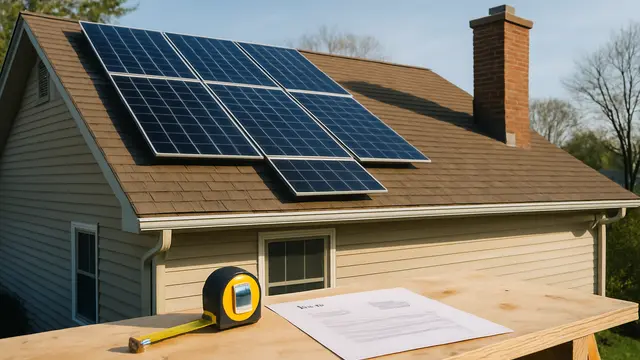
How much do solar panels cost in 2026? Real installed prices per watt from Berkeley Lab, costs by system size, battery add-ons, and why no federal credit now.

Spot solar scams before you sign: fake free-solar offers, expired tax credit pitches, hidden dealer fees and pressure tactics. A 2026 checklist.

How solar loans work in 2026: monthly payments, hidden dealer fees, the month-18 paydown trap and why loans built around the tax credit no longer fit.
How long do solar panels last? Most run 25 to 35 years, losing about 0.5% to 0.75% of output a year. See what wears out first and how to plan for it.